


Citizenship by Descent: German, Portuguese & Latvian Citizenship Explained

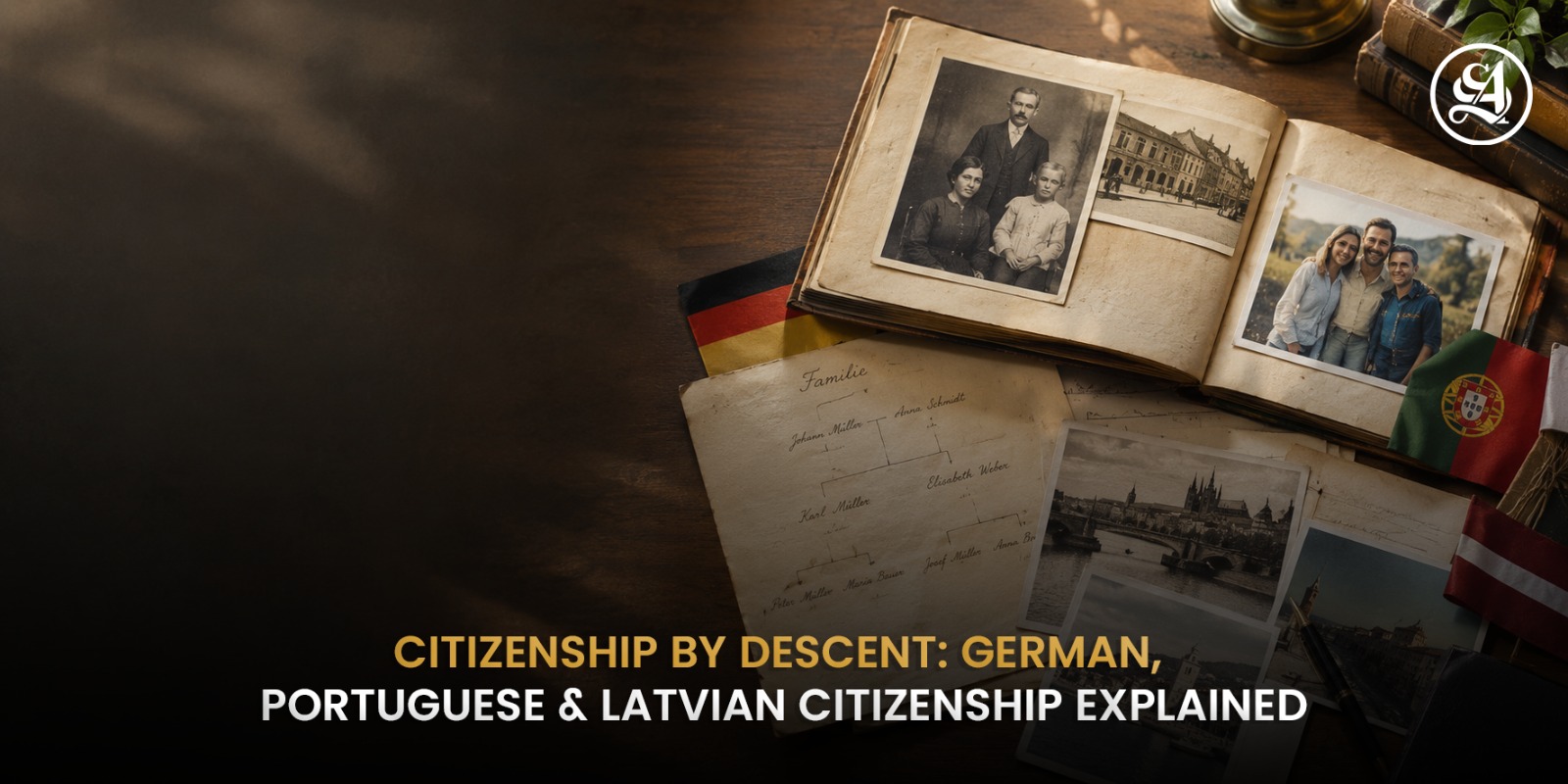
Citizenship by descent means an individual can become a citizen of a country based on the family history or citizenship of ancestors. However, it is not always like this. Any individual who has an ancestor from a relevant country can not automatically become its citizen, some rules do apply.
These rules vary from country to country. The eligibility of an individual depends on the time each family member was born, whether that ancestor held citizenship at that time of birth, and whether the citizenship was passed legally.
Sometimes, due to old nationality laws the cases become very complicated. In that situation, consulting a citizenship immigration lawyer can be very useful.
German Citizenship by Descent
As per German citizenship law, it is usually passed through a parent who held German citizenship when the child was born. A German parent or grandparent does not automatically make you a German citizen.
In older gender-discriminatory nationality laws, some individuals were not granted citizenship because at that time they treated mothers and unmarried fathers differently. Hence, some children could not become citizens despite having a German parent.
Nationality laws change with time. Some applicants also need birth certificates, marriage records, old passports, or documents that prove their family connection. So, it varies for individuals based on countries and their laws.
In complex cases, a German citizenship by descent lawyer can emerge as a sense of relief. When you are dealing with a situation like your family history includes multiple generations, or your documents are missing or an ancestor lost citizenship, a lawyer can help you find a solution.
Portuguese Citizenship by Descent
Portugal citizenship by descent allows an individual to secure citizenship through parents or qualifying grandparents. An individual born outside Portugal having a Portuguese parent can become a citizen of Portugal subject to eligibility conditions.
Portugal also changed its nationality law in 2026 including extending citizenship timeline and varying conditions. A Portuguese citizenship lawyer can help individuals in reviewing their eligibility, getting Portuguese records, and addressing documentation issues.
Latvia Citizenship by Descent
Latvia citizenship by descent means an individual can qualify if one or both of the parents were Latvian citizens at the time of birth. Latvia also offers citizenship to individuals through ancestors who were citizens of Latvia before the Soviet occupation that means they held Latvian citizenship on 17 June 1940.
Historical documents can also be important and for evidence authorities may require pre-war Latvian passports, citizenship records, or documents proving their family connection.
How to Determine Which Citizenship Route Applies to You
Initially, you must identify the ancestor who held German, Portuguese, or Latvian citizenship. Then you should provide proof of family connection using birth or marriage records. This proves whether citizenship was passed to each generation.
You should not rely completely on the place where an ancestor was born as rules and conditions vary from country and with time. Some documents including citizenship and marriage records can be very important.
Conclusion
German, Portuguese, and Latvian citizenship by descent can provide multiple routes to secure nationality but the rules and laws vary for each country. Saad Ahsan Residency and Citizenship can help families review citizenship records, assess their eligibility, and prepare citizenship applications based on your family history.
 Sidra Malik